Ask ten people what a western is and you will get ten answers, most of them involving a hat. We run a festival devoted to the genre, so we have thought about this question more than is probably healthy. Here is where we land: a western is not simply a movie with cowboys in it. It is a story about the American frontier and the people who tested themselves against it, told in a visual language of open country, hard choices, and the thin line between law and lawlessness. That is the short answer to what a western is. The longer answer is more interesting, and it is why we keep the lights on.
What Is a Western — At a Glance
Definition: A film genre set on the American frontier, usually the West between roughly 1850 and 1910, built around survival, justice, and the collision of wilderness and civilization.
First narrative western: The Great Train Robbery (1903).
Core subgenres: classic Hollywood, spaghetti western, revisionist western, and the modern neo-western.
See them on a big screen: The Go West Film Fest, Greeley, Colorado. Free, November 9–14, 2026.
Go deeper: read our essays and reviews.
So, What Actually Counts as a Western?
 The genre is easier to recognize than to fence in, which is the whole fun of it. Most westerns share a setting: the trans-Mississippi frontier in the decades after the Civil War, when the map still had blank spots. They share an iconography too, the shorthand that tells you within ten seconds what kind of story you are in. Horses and rifles. A saloon with swinging doors. A single figure against an enormous landscape that does not care whether they live or die.
But the props are not the point. What makes a western a western is what it argues about. These are stories of the individual against the community, of order arriving in a place that had learned to live without it, of a code of honor being tested by people who have every reason to abandon it. The frontier is always closing in a western, and everyone on screen knows it. That tension, between the freedom of wild country and the price of civilization, is the genre's true subject. Give a filmmaker that tension and they do not even need a horse.
Where Did the Western Come From?
The western is nearly as old as the movies themselves. Before film, the myths were already circulating in dime novels and in Buffalo Bill's traveling Wild West shows, so audiences arrived pre-loaded with the iconography. In 1903, Edwin S. Porter's The Great Train Robbery put it on film in a twelve-minute reel that ended with an outlaw firing his pistol straight at the camera, and the genre was off and running.
The silent era ran hundreds of them. Then in 1939 John Ford took a stagecoach through Monument Valley and made Stagecoach, the film that turned the western into serious art and made a star of a young John Wayne. The two decades that followed were the genre's golden age, when the western was the most popular kind of movie in America and its biggest directors used it to ask the hardest questions the country was willing to sit through.
The Many Trails: Subgenres of the Western
One reason the western survives is that it keeps branching. The main trails worth knowing:
- The classic Hollywood western. The golden-age model of Ford, Hawks, and Anthony Mann, where the moral lines are clearer and the hero usually rides toward something better.
- The spaghetti western. Italian-made, dust-caked, and gloriously cynical. Sergio Leone's Dollars trilogy with Clint Eastwood rewrote the genre's grammar and its music forever.
- The revisionist western. Films that question the myth rather than repeat it, from McCabe & Mrs. Miller to Unforgiven, where the gunfighter is tired and the frontier was never innocent.
- The neo-western. Western bones in a modern setting, trading horses for pickup trucks. Think No Country for Old Men or Hell or High Water, still asking the old questions on new highways.
These trails cross constantly, and the best films refuse to stay on one. That refusal is more or less our whole reason for existing.
Why the Western Won't Die
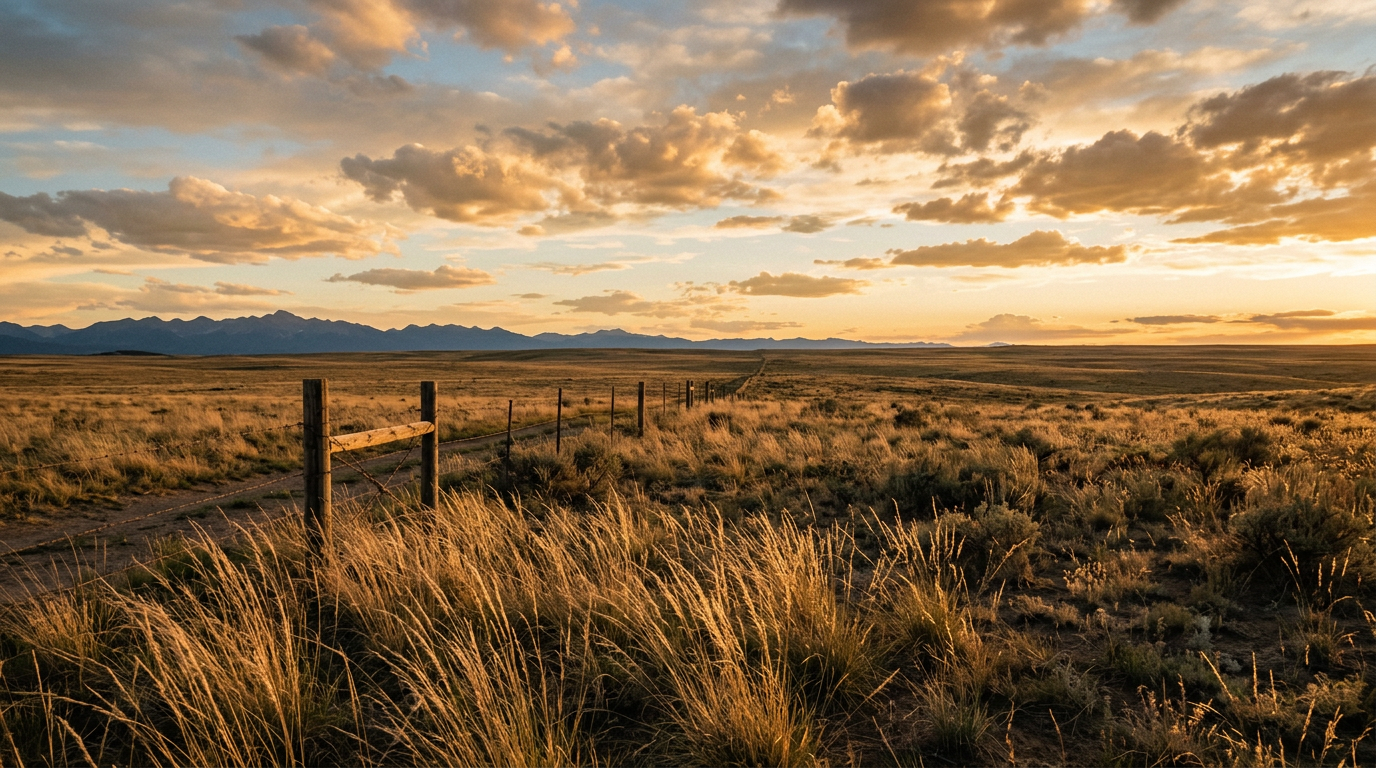 People have been declaring the western dead since the 1970s, and it keeps declining to cooperate. Part of the reason is that the genre is a mirror. Each generation of filmmakers pours its own anxieties into the same frame of frontier and law, and the frame holds. The western can be a hero's fable or a national reckoning, sometimes in the same two hours. It offers moral clarity and moral doubt at once, which is a rare and useful thing. As long as America keeps arguing with itself about who it is, someone will make a western about it.
How We Think About It in Greeley
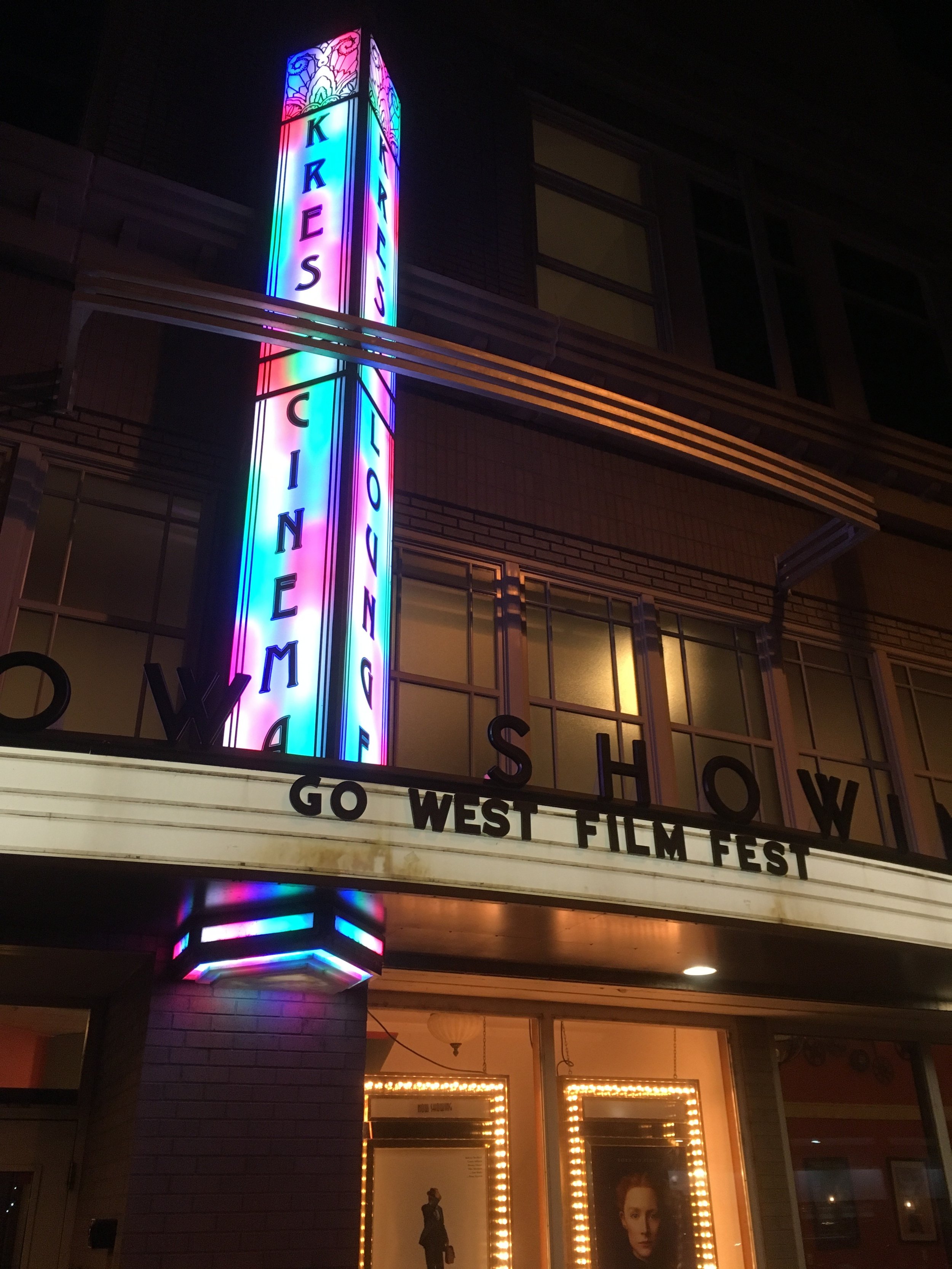 We call ourselves a genre-defying western film fest that refuses to be corralled, and we mean it as a definition, not a slogan. Every November we program the classics and the strange new ones side by side at the Kress Cinema & Lounge and the LINC, because a healthy genre argues with itself. Our posters, painted each year by Colorado western artist Cody Kuehl, carry that same spirit. If you want to understand what a western is, the honest way is to sit in a dark room in a plains town and watch a great one with a crowd. That is the experience we build, and it is free. Our essays and reviews carry the conversation the rest of the year.
Frequently Asked Questions
What defines a western film?
A western is set on the American frontier, usually the West between about 1850 and 1910, and is built around themes of survival, justice, and the clash between wilderness and civilization. Its iconography includes horses, firearms, saloons, and wide open landscapes.
What was the first western movie?
Edwin S. Porter's The Great Train Robbery (1903) is widely cited as the first narrative western, a twelve-minute film famous for ending with an outlaw firing a pistol at the camera.
What is a spaghetti western?
A spaghetti western is a western produced in Italy, most famously by director Sergio Leone. His Dollars trilogy with Clint Eastwood gave the genre a grittier, more stylized and cynical form.
What is a revisionist western?
A revisionist western questions the myths of the classic western rather than celebrating them. Films like McCabe & Mrs. Miller and Unforgiven present a harsher, more morally complicated frontier.
What is a neo-western?
A neo-western applies western themes and structure to a contemporary setting. No Country for Old Men and Hell or High Water are neo-westerns, trading horses for modern cars and highways.
Where can I watch western movies on a big screen?
The Go West Film Fest screens classic and contemporary westerns for free every November in Greeley, Colorado, at the Kress Cinema & Lounge and the LINC. Seating is first come, first served.
A western is a question the country keeps asking itself in the dark. Come ask it with us. We will save you a seat.